
Lahaul Spiti Suraj Tal Shinkula Pass Tour Package from Chandigarh – The Ultimate Himalayan Adventure
If you are searching for the best Lahaul Spiti tour package from Chandigarh, this meticulously crafted 13-day itinerary is your gateway to the raw, untouched beauty of the Indian Himalayas. Covering iconic destinations like Chandratal Lake (Moon Lake), Kunzum Pass (4500m), Atal Tunnel, and the World’s Highest Villages – Komic & Hikkim, this journey blends adventure, spirituality, and breathtaking landscapes.
This Shimla–Spiti–Manali circuit is one of the most scenic and culturally rich road trips in India, perfect for travelers seeking offbeat Himalayan experiences, high-altitude desert landscapes, monasteries, and remote villages.
🌄 Tour Overview – Spiti Valley Circuit via Shimla & Manali
Duration: 13 Days / 12 Nights
Starting Point: Chandigarh
Route: Shimla → Kinnaur → Spiti → Lahaul → Manali
Best Time to Visit: May to October
Max Altitude: 4560m (Komic Village)
Ideal For: Adventure lovers, photographers, bikers, couples, groups
🚗 Complete Route Breakdown (SEO Optimized)
This Lahaul Spiti itinerary from Chandigarh follows a gradual ascent via Shimla, making it safer for acclimatization compared to the Manali route.
Route Highlights include Narkanda – Gateway to Kinnaur, Sangla Valley – Switzerland of India, Chitkul – Last inhabited village, Kalpa – Stunning Kinnaur Kailash views, Tabo – Ajanta of Himalayas, Kaza – Heart of Spiti, Chandratal Lake – Iconic crescent lake, and Sissu & Jispa – Lahaul gems.
🌟 Why Choose This Lahaul Spiti Tour Package?
✔️ Complete Circuit Coverage including Kinnaur Valley, Spiti Valley, and Lahaul Valley.
✔️ High-Altitude Attractions like Kunzum Pass (4500m), Baralacha Pass, Suraj Tal, and Shinkula Pass.
✔️ Cultural & Spiritual Exploration including Key Monastery, Kungri Monastery, Triloknath Temple, and Murikula Devi Temple.
🌙 Chandratal Lake (Moon Lake) – The Crown Jewel of Spiti
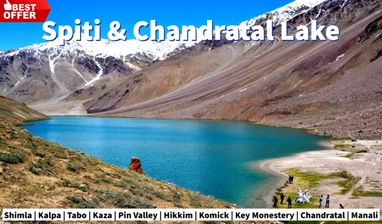
Known as the Moon Lake of Himachal Pradesh, Chandratal Lake sits at an altitude of 4200 meters and is famous for its crescent shape and crystal-clear water.
Why it’s special: Changes color throughout the day, best for astrophotography, and popular for camping under the stars.
⛰️ Kunzum Pass (4500m) – Gateway to Spiti Valley
Kunzum Pass connects Lahaul and Spiti and offers breathtaking 360-degree Himalayan views along with the famous Kunzum Mata Temple.
🚇 Atal Tunnel – Engineering Marvel of India
The Atal Tunnel is the world’s longest highway tunnel above 10,000 ft, reducing travel time and providing all-weather connectivity between Manali and Lahaul Valley.
🌍 World’s Highest Villages – Komic & Hikkim
Explore Komic (4560m) and Hikkim, home to the world’s highest post office. Experience extreme Himalayan lifestyle and send postcards from the top of the world.
🌊 Suraj Tal & Baralacha Pass – High Altitude Wonders
Suraj Tal is the third highest lake in India, located near Baralacha Pass, which connects multiple Himalayan ranges and offers stunning snow landscapes.
🏞️ Sissu & Jispa – Hidden Gems of Lahaul
Sissu is known for its scenic waterfalls and lake, while Jispa is a perfect riverside camping destination in Lahaul Valley.
🛕 Triloknath, Udaipur & Murikula Devi Temple
Visit Triloknath Temple, sacred to both Hindus and Buddhists, explore Udaipur town, and admire the ancient wooden architecture of Murikula Devi Temple.
🏔️ Shinkula Pass – Offbeat Adventure Route
Shinkula Pass is a remote high-altitude pass connecting Lahaul to Zanskar, offering raw Himalayan terrain and less crowded adventure routes.
Tour at a glance:
Day-1: Chandigarh – Shimla – Narkanda (180 KM / 5–6 Hrs Drive)
Day-2: Narkanda – Sangla Valley (165 KM / 6–7 Hrs Drive)
Day-3: Sangla – Chitkul – Sangla Excursion (25 KM Each Way)
Day-4: Sangla – Reckong Peo – Kalpa (60 KM / 2–3 Hrs Drive)
Day-5: Kalpa – Nako – Tabo (150 KM / 6 Hrs Drive)
Day-6: Tabo – Dhankar – Pin Valley – Kaza (90 KM / 3–4 Hrs Drive)
Day-7: Kaza – Key Monastery – Kibber – Chicham Bridge – Langza – Komic – Hikkim – Kaza (78 KM / 5–6 Hrs)
Day-8: Kaza – Losar – Kunzum Pass (4500m) – Chandratal Lake (4200m)
Day-9: Chandratal Lake – Sissu – Keylong (115 KM / 4–5 Hrs)
Day-10: Keylong – Jispa – Suraj Tal – Baralacha Pass OR Shinkula Pass Excursion
Day-11: Keylong – Triloknath – Udaipur – Murikula Devi Temple (54 KM / 2–3 Hrs)
Day-12: Keylong – Atal Tunnel – Manali (75 KM / 2–3 Hrs)
Day-13: Manali – Chandigarh Drop (300 KM / 8–9 Hrs)

Tour in Details:
Click on the buttons inside the tabbed menu:
Tour Overview |
|---|
Set off on an unforgettable Spiti Valley road trip through some of the most iconic and remote Himalayan routes, making this Lahaul & Spiti Valley tour a true bucket-list experience for adventure seekers, photographers, millennials, and seasoned travelers alike. As you journey across the dramatic cold desert of the Himalayas, capture stunning views of barren mountain landscapes, pristine gurgling rivers, high-altitude villages, and breathtaking alpine scenery that define the raw beauty of Spiti Valley travel.
This immersive journey takes you deep into the heart of Spiti Valley, a land where ancient Buddhist culture, timeless monasteries, and spiritual traditions thrive amidst rugged terrain. Discover why the legendary writer Rudyard Kipling famously described Spiti as “Surely the Gods must live here, this is no place for men.” Every mile of this Himalayan road trip reveals silence, vastness, and a sense of peace rarely found elsewhere.
Explore the iconic Key Monastery (Key Gompa), the largest monastery in Spiti Valley, dramatically perched on a hilltop like a castle floating among the clouds. With a bit of luck, you may even spot the elusive snow leopard or encounter rare high-altitude flora, including the unique purple cactus found only in this remote Himalayan region.
As the adventure continues, experience the magic of camping near the legendary Chandratal Lake, one of the most beautiful high-altitude lakes in the Himalayas. Watch the crescent-shaped lake transform through shimmering shades of turquoise under a moonlit, star-filled sky — a moment of pure serenity after an exhilarating day in the mountains.
This carefully curated Spiti Valley & Chandratal Lake tour package blends adventure, culture, scenic beauty, and responsible travel. Designed for comfort, safety, and unforgettable experiences, this all-inclusive Spiti Valley tour package is perfect for travelers seeking an authentic Himalayan journey.
Spiti Valley & Chandratal Lake Tour Overview
Tour Highlights
Below are the key highlights that make this Spiti Valley & Chandratal Lake tour one of the most sought-after Himalayan travel experiences:
• Scenic Spiti Valley road trip through remote Himalayan landscapes and high-altitude mountain passes
• Explore the ancient Key Monastery (Key Gompa), the largest and most iconic monastery in Spiti Valley
• Experience the raw beauty of the cold desert of Spiti Valley with panoramic mountain views
• Discover rich Buddhist culture, monasteries, and high-altitude village life
• Chance to spot rare Himalayan wildlife such as the snow leopard (subject to luck and season)
• Witness unique high-altitude flora, including rare purple cactus species found in Spiti
• Camp near the stunning Chandratal Lake, a crescent-shaped alpine lake at high altitude
• Enjoy mesmerizing views of the turquoise waters of Chandratal under a star-lit Himalayan sky
• Perfect blend of adventure, photography, culture, and nature
• Ideal for adventure travelers, couples, photographers, and explorers seeking an authentic Himalayan experience
Travel Route
Tour Itinerary |
|---|
Day 1: Chandigarh – Shimla – Narkanda (180 KM / 5–6 Hrs Drive)
Your Lahaul Spiti tour package from Chandigarh begins with a scenic drive from Chandigarh to Narkanda via Shimla. As you ascend into the Shivalik ranges, witness lush green valleys, pine forests, and winding mountain roads that make this Himalayan journey unforgettable.
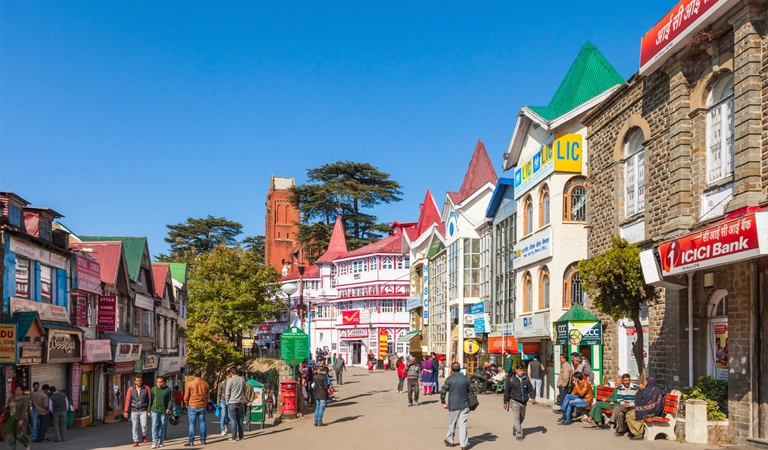
Shimla, the former summer capital of British India, offers panoramic views and a refreshing climate. Continuing further, Narkanda welcomes you with apple orchards and serene surroundings, making it a perfect acclimatization stop before entering higher altitudes.
Overnight stay in Narkanda.
Day 2: Narkanda – Sangla Valley (165 KM / 6–7 Hrs Drive)
After breakfast, continue your journey towards Sangla Valley, one of the most beautiful valleys in Himachal Pradesh. The drive passes through Kinnaur Valley, offering mesmerizing views of the Sutlej River and dramatic mountain landscapes.
Sangla, often called the Switzerland of India, is known for its lush greenery, Baspa River, and charming wooden houses. This destination is a paradise for photographers and nature lovers seeking peaceful Himalayan vibes.
Overnight stay in Sangla.
Day 3: Sangla – Chitkul – Sangla Excursion (25 KM Each Way)
Today, explore Chitkul, the last inhabited village near the Indo-Tibetan border. Located along the Baspa River, Chitkul is famous for its untouched beauty, wooden houses, and snow-clad peaks.
Spend time walking through the village, interacting with locals, and enjoying the serene environment. This excursion is a highlight of the Spiti Valley itinerary, offering raw Himalayan charm and cultural experiences.
Return to Sangla for overnight stay.
Day 4: Sangla – Reckong Peo – Kalpa (60 KM / 2–3 Hrs Drive)
Drive towards Kalpa via Reckong Peo, the administrative hub of Kinnaur. Kalpa is renowned for its breathtaking views of the Kinnaur Kailash range, especially during sunrise and sunset.
This peaceful Himalayan village offers a perfect blend of natural beauty and spiritual vibes. Capture stunning photographs of snow-capped peaks and traditional architecture.
Overnight stay in Kalpa.
Day 5: Kalpa – Nako – Tabo (150 KM / 6 Hrs Drive)
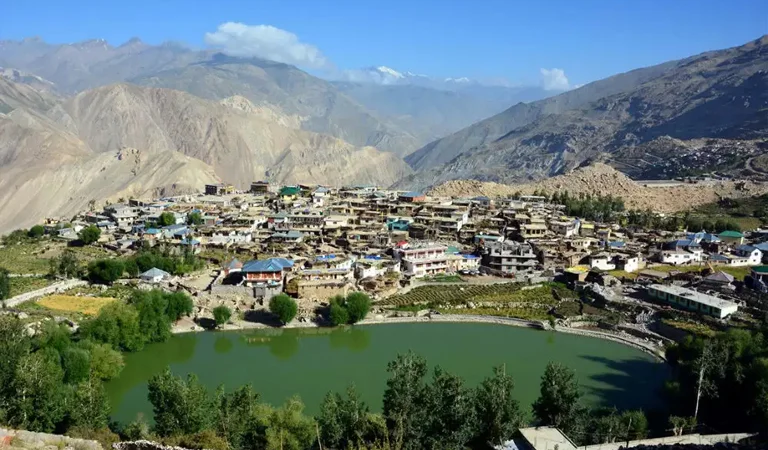
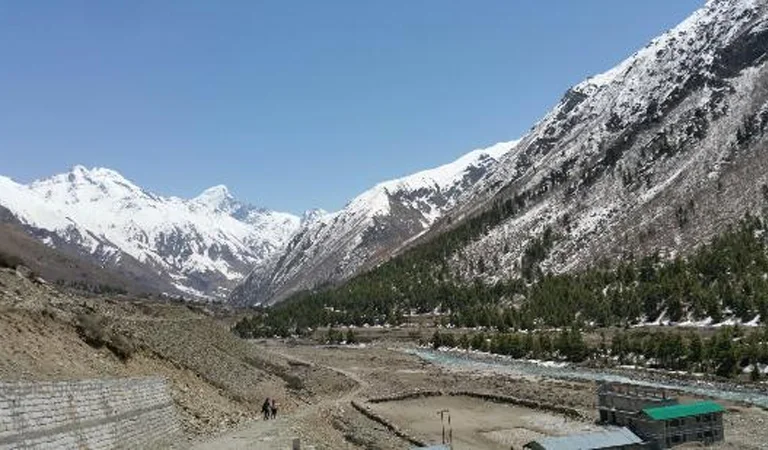
Today marks your entry into the cold desert region of Spiti Valley. Drive through rugged terrains and reach Nako, a beautiful high-altitude village known for its serene lake and Buddhist culture.
Continue towards Tabo, home to the ancient Tabo Monastery, often referred to as the Ajanta of the Himalayas. This monastery is over a thousand years old and holds immense historical and spiritual significance.
Overnight stay in Tabo.
Day 6: Tabo – Dhankar – Pin Valley – Kaza (90 KM / 3–4 Hrs Drive)
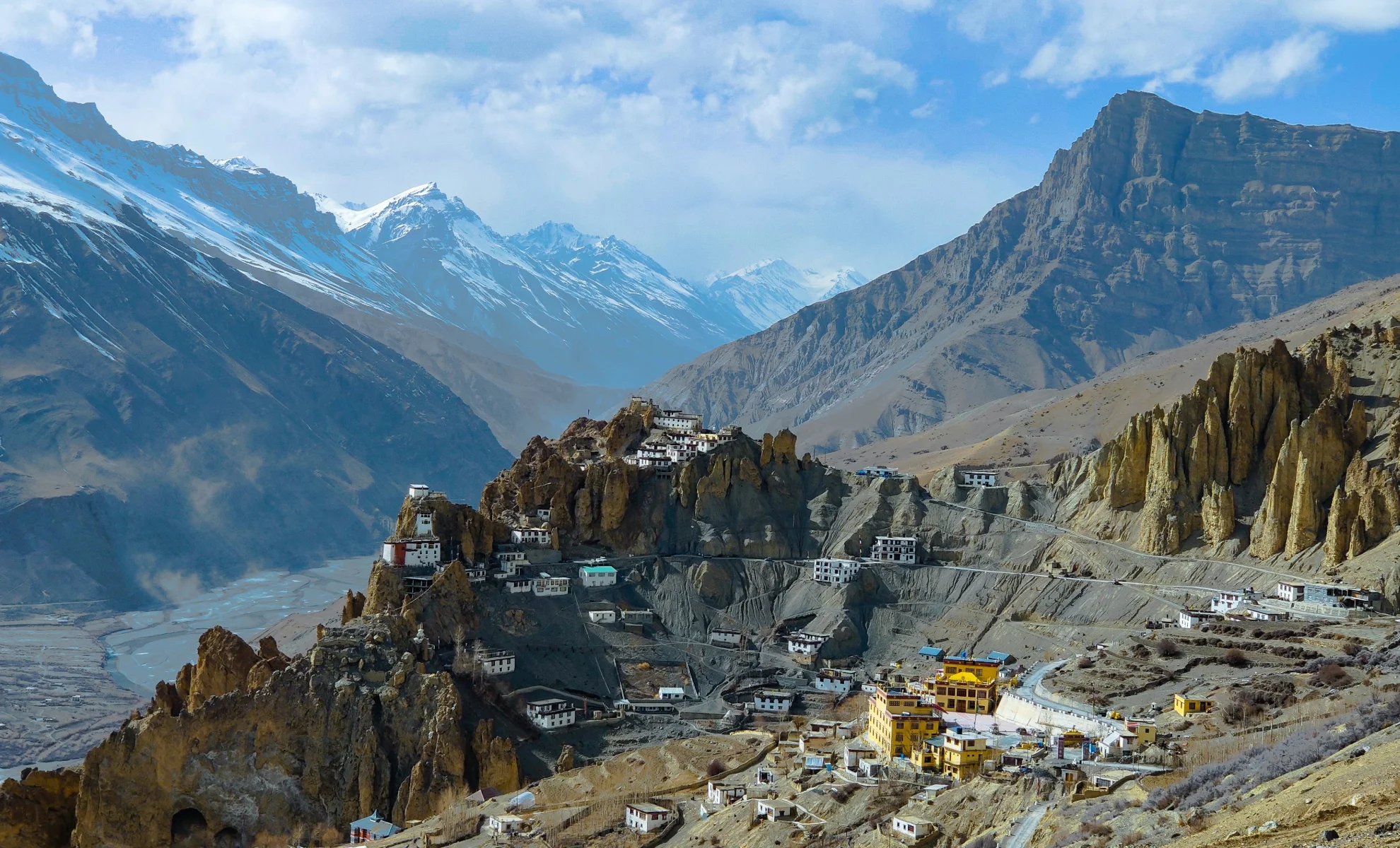
After breakfast, visit Dhankar Monastery, dramatically perched on a cliff overlooking the confluence of Spiti and Pin rivers. This ancient monastery offers spectacular views and a deep sense of tranquility.
Proceed to Pin Valley National Park, known for its unique wildlife and scenic landscapes. Visit Kungri Monastery, an important spiritual center in the valley.
Later, drive to Kaza, the main town of Spiti Valley. This marks your arrival in the heart of Spiti, surrounded by barren mountains and stunning landscapes.
Overnight stay in Kaza.
Day 7: Kaza – Key Monastery – Kibber – Chicham Bridge – Langza – Komic – Hikkim – Kaza (78 KM / 5–6 Hrs)
Today is one of the most exciting days of your Spiti Valley tour package as you explore the highest inhabited regions of the world. Start with a visit to Key Monastery, the largest monastery in Spiti Valley, offering breathtaking hilltop views.
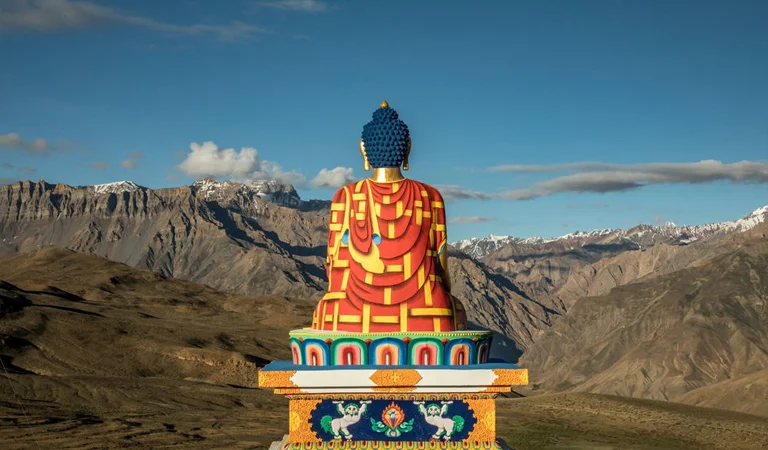
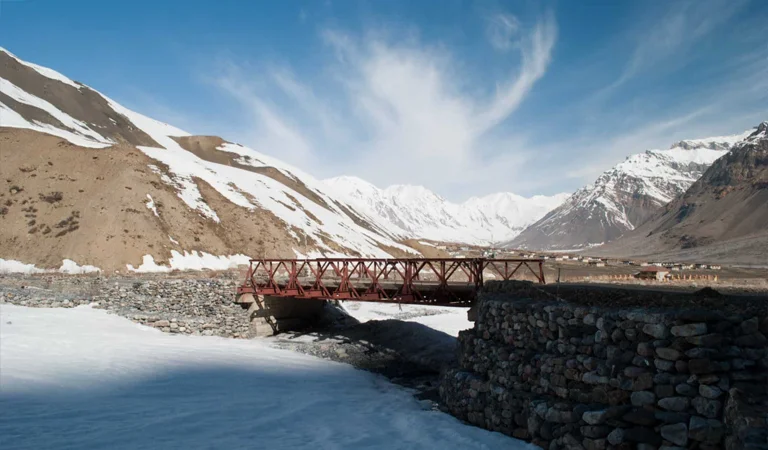
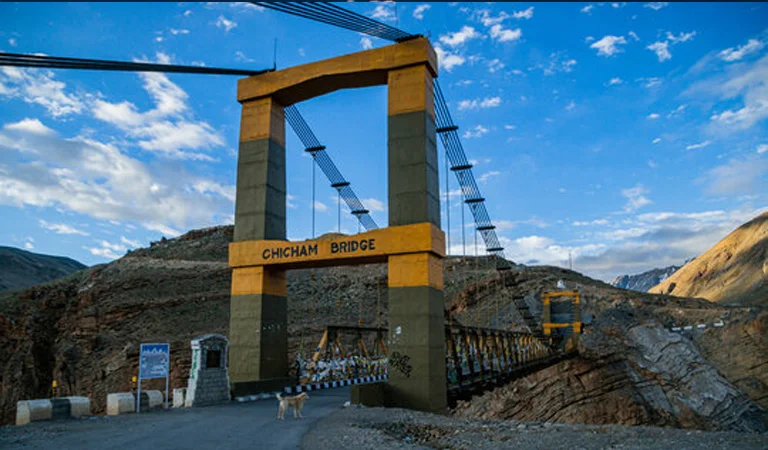
Continue to Kibber Village and cross the iconic Chicham Bridge, one of the highest suspension bridges in Asia. Explore Langza, known for its giant Buddha statue and fossil-rich terrain.
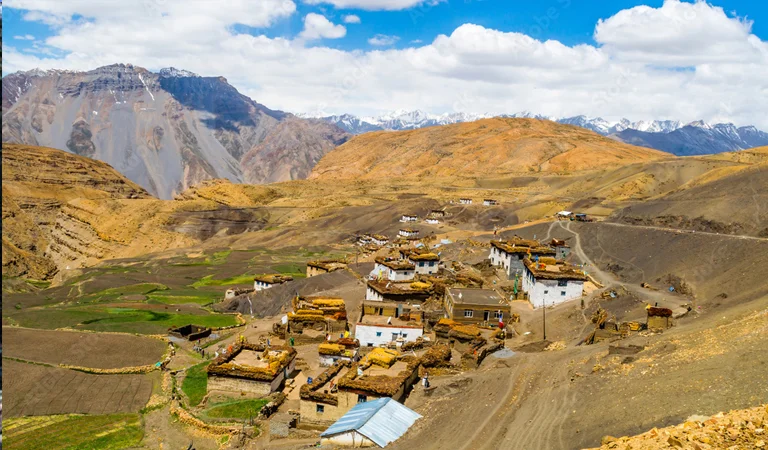
Visit Komic Village (4560m), one of the world’s highest motorable villages, and Hikkim, home to the world’s highest post office. Send a postcard from here as a memorable experience.
Return to Kaza for overnight stay.
Day 8: Kaza – Losar – Kunzum Pass (4500m) – Chandratal Lake (4200m)
Drive towards Chandratal Lake via Losar and Kunzum Pass (4500m), the gateway between Lahaul and Spiti Valley. Stop at Kunzum Mata Temple and enjoy panoramic Himalayan views.
Arrive at Chandratal Lake (Moon Lake), one of the most beautiful high-altitude lakes in India. Famous for its crescent shape and changing colors, it is a paradise for photographers and nature lovers.
Enjoy camping near Chandratal under a sky full of stars, making it a once-in-a-lifetime experience.
Day 9: Chandratal Lake – Sissu – Keylong (115 KM / 4–5 Hrs)
After witnessing a magical sunrise at Chandratal Lake, drive towards Sissu, a beautiful village in Lahaul Valley known for its stunning waterfalls and serene lake.
Continue to Keylong, the administrative center of Lahaul Valley. The journey offers a dramatic change in landscape from Spiti’s barren terrain to Lahaul’s greener valleys.
Overnight stay in Keylong.
Day 10: Keylong – Jispa – Suraj Tal – Baralacha Pass OR Shinkula Pass Excursion
Today you explore high-altitude wonders of Lahaul Valley. Drive to Jispa, a scenic riverside destination perfect for photography and relaxation.
Continue towards Suraj Tal, the third highest lake in India, located near Baralacha Pass. This region offers snow-covered landscapes and breathtaking views.
Alternatively, opt for an adventurous excursion to Shinkula Pass, a remote and less-explored route connecting Lahaul to Zanskar Valley.
Return to Keylong for overnight stay.
Day 11: Keylong – Triloknath – Udaipur – Murikula Devi Temple (54 KM / 2–3 Hrs)
Visit Triloknath Temple, a sacred pilgrimage site revered by both Hindus and Buddhists. The temple is known for its spiritual significance and peaceful surroundings.
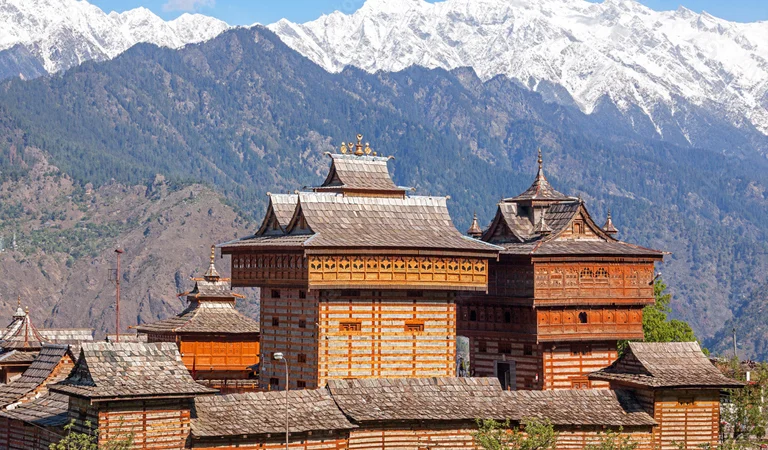
Continue to Udaipur and visit the ancient Murikula Devi Temple, famous for its exquisite wooden carvings and unique Himalayan architecture.
Return to Keylong for overnight stay.
Day 12: Keylong – Atal Tunnel – Manali (75 KM / 2–3 Hrs)
Drive through the iconic Atal Tunnel, the world’s longest highway tunnel above 10,000 feet, connecting Lahaul Valley to Manali.
Reach Manali, one of the most popular hill stations in India, offering a refreshing end to your high-altitude adventure.
Overnight stay in Manali.
Day 13: Manali – Chandigarh Drop (300 KM / 8–9 Hrs)
After breakfast, begin your return journey from Manali to Chandigarh. This marks the end of your unforgettable Lahaul Spiti tour.
With memories of Chandratal Lake, Kunzum Pass, world’s highest villages, and stunning Himalayan landscapes, your journey concludes with a lifetime of experiences.
🔥 Book Your Lahaul Spiti Tour Package Now
Ready to explore the breathtaking beauty of Spiti Valley, Chandratal Lake (Moon Lake), Kunzum Pass (4500m), Atal Tunnel, Sissu, Jispa, Suraj Tal, Baralacha Pass, Shinkula Pass, Triloknath, Udaipur, and Murikula Devi Temple?
This 13-day Lahaul Spiti tour package from Chandigarh is designed for travelers seeking adventure, culture, and unforgettable Himalayan experiences.
👉 Contact us now to get the best deals, customized itineraries, and early booking discounts. Limited slots available!
For Package Details, Please Call us at: (+91) 78310-50555, (+91) 98163-50555
Package Includes & Excludes |
|---|
Include
- Welcome drink on arrival.
- 11 Nights Accommodation in hotel, Camp, and Home-stay.
- 11 Breakfasts and 11 Dinner.
- Transport services by an exclusive vehicle as per itinerary. (Innova/Tempo Travellers)
- Check-In & Check-Out time will be 12 Noon.
- Driver allowance, Toll, Parking, Road Tax, Fuel charge, Night Halt.
Exclude
- Any monument entry fees / camera fees.
- Any meal, which is not mentioned above.
- Any guide charges.
- Any air / train fare. /Train Tickets / Flight Tickets
- Entry Ticket
- Expenses of personal nature such as drinks, laundry, telephones, Camera Fees, etc.
- GST 5% Extra
Package Tour Price |
|---|
|
* Package Starting From.
32,000/-PP 11 Nights & 12 Days | Ex-Chandigarh* Price is for 6Pax. without GST.* Package Meals will be served in MAP Basis *Package Valid till 20th October 2023. * Call Us for Latest Package Offers.
|


Important Places to Visit In This Tour
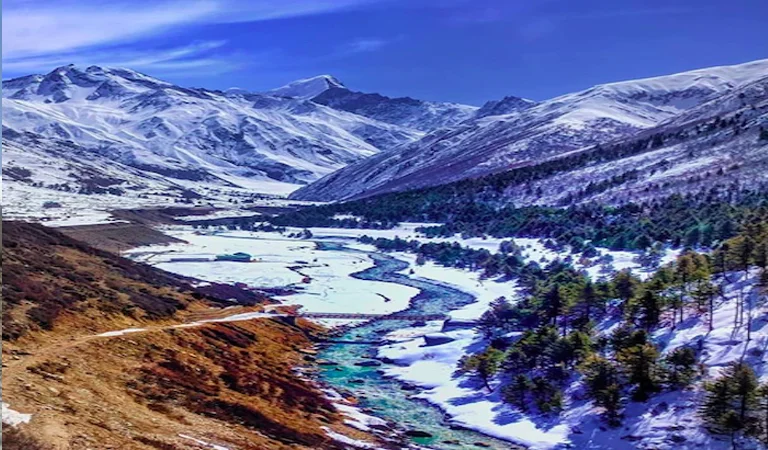
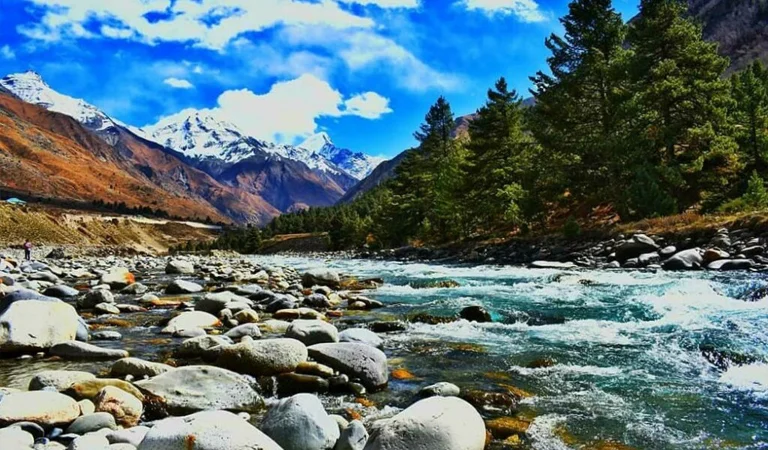
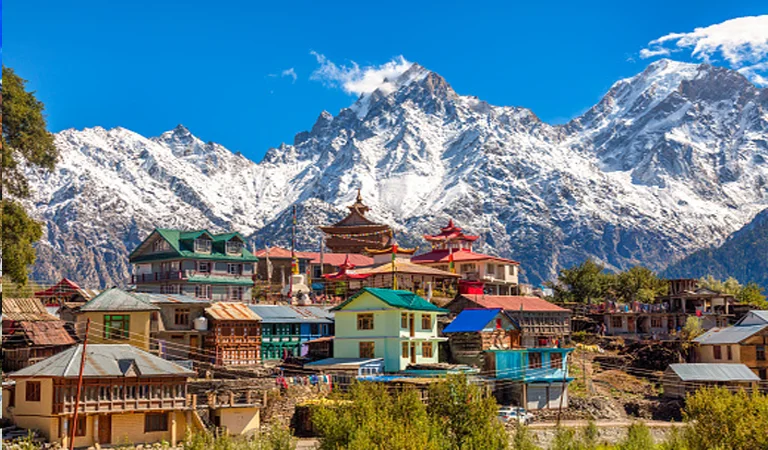
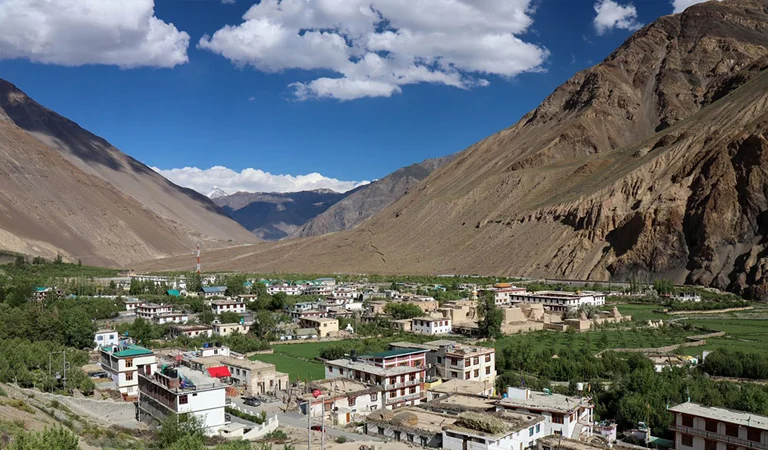



Sissu Village Lahaul – Complete Travel Guide


Sissu village Lahaul is one of the most scenic destinations in the Lahaul Valley and a major highlight of any Lahaul Spiti tour. Located just after the Atal Tunnel, Sissu welcomes travelers with lush greenery, waterfalls, and snow-covered peaks.
The famous Sissu waterfall Himachal is a must-visit attraction and a perfect photography spot. Travelers can enjoy peaceful surroundings, lakeside views, and comfortable stay options making it an ideal stop during your Lahaul Spiti road trip.
Sissu weather remains pleasant in summer, while winters bring heavy snowfall. There are several hotels and homestays available making Sissu valley travel guide essential for planning your stay.
Keylong Town Himachal Pradesh – Heart of Lahaul Valley


Keylong town Himachal Pradesh is the administrative headquarters of Lahaul and serves as a major hub for travelers exploring the region. It is one of the best places to stay during your Lahaul Spiti itinerary.
There are many places to visit in Keylong including Kardang Monastery, Shashur Monastery, and scenic viewpoints. The town offers a variety of Keylong hotels and homestays catering to all budgets.
Keylong weather today can vary significantly due to altitude, so travelers should always check updates before planning their journey. The distance from Keylong to Jispa is short and offers a scenic drive.
Jispa Village Camping Experience in Himachal


Jispa village camping is one of the most memorable experiences in the Lahaul Valley. Situated along the Bhaga River, Jispa offers serene landscapes and perfect conditions for camping.
There are several Jispa hotels and camps available ranging from budget to luxury. Travelers often choose Jispa as a halt before continuing on the Jispa to Leh route.
Jispa temperature and weather remain cool even in summer, making it a refreshing destination. Stay in Jispa Lahaul is highly recommended for acclimatization and relaxation.
Suraj Tal Lake – High Altitude Travel Guide


Suraj Tal lake Lahaul is one of the highest lakes in India and a must-visit destination during your Lahaul Spiti road trip. Located near Baralacha La pass, the lake offers stunning views and crystal-clear water.
The Suraj Tal lake altitude makes it a unique high-altitude attraction and a paradise for photographers. Many travelers compare Suraj Tal vs Chandratal, but both offer distinct experiences.
The Suraj Tal lake route passes through rugged terrain and requires careful driving, especially for those on a Lahaul Spiti bike trip.
Baralacha La Pass – Adventure and Snow Experience


Baralacha La pass height is approximately 4,890 meters, making it one of the most thrilling high-altitude passes in Himachal Pradesh. It is part of the famous Manali Leh highway.
Baralacha La weather can be unpredictable with sudden snowfall and extreme cold conditions. Travelers should always check Baralacha La road status before planning their journey.
This pass is a major highlight for those planning a Baralacha La pass bike trip guide and adds adventure to your Lahaul Spiti tour.
Udaipur Lahaul Himachal and Trilokinath Temple


Udaipur Lahaul Himachal is a culturally rich destination known for its temples and scenic beauty. It is an important stop in the Lahaul Valley travel guide.
The famous Trilokinath temple Lahaul is revered by both Hindus and Buddhists. The temple has great historical and spiritual significance, making Trilokinath temple darshan a must for travelers.
There are several places to visit in Udaipur Lahaul including ancient temples and local villages. The Trilokinath temple route is accessible and offers a peaceful spiritual experience.
Shinkula Pass and Shinkula Devi Temple Travel Guide


Shinkula pass altitude is one of the newest high-altitude routes connecting Lahaul to Zanskar. It is rapidly gaining popularity among adventure seekers.
The Shinkula pass road status can vary depending on weather conditions, and travelers should check updates before planning their journey. The Shinkula pass route Zanskar offers breathtaking views and offbeat experiences.
The Shinkula Devi temple located near the pass is a sacred site where travelers often stop for blessings. Shinkula temple route adds both spiritual and adventure value to your trip.
Lahaul Spiti Road Trip Routes and Conditions
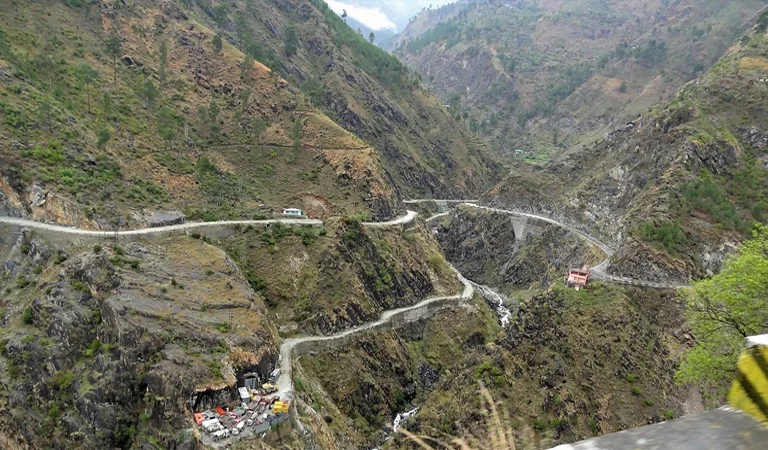
The Manali to Lahaul Spiti route is one of the most scenic drives in India, passing through Atal Tunnel, Sissu, Keylong, and Jispa. Roads are mostly well-maintained but can become rough near high-altitude passes.
Lahaul Spiti road condition depends on weather, especially near Baralacha La and Shinkula pass. Travelers planning a Lahaul Spiti bike trip should be prepared for challenging terrains.
The complete Lahaul circuit itinerary offers a mix of smooth highways and rugged mountain roads, making it perfect for adventure lovers.
Best Time to Visit Lahaul Spiti
The best time to visit Lahaul Spiti is from May to October when the roads are open and weather conditions are favorable. June to September is considered ideal for a Lahaul Spiti road trip.
During winter, heavy snowfall blocks most routes including Baralacha La pass and Shinkula pass. Travelers should plan accordingly based on their itinerary.
Lahaul Spiti Tour Package Price and Booking Options
Lahaul Spiti tour package price varies depending on duration, travel mode, and accommodation preferences. Options include Lahaul Spiti package from Delhi or Kolkata, bike trip packages, and cab packages.
Lahaul Spiti bike trip cost is generally lower but requires proper planning and gear. Cab packages offer comfort and safety, making them ideal for families.
Customized Lahaul valley tour packages are also available, allowing travelers to design their itinerary based on preferences and budget.
Book Your Lahaul Spiti Tour Now
Plan your dream Lahaul Spiti offbeat tour package today and explore the hidden beauty of Himachal Pradesh. Whether you choose a road trip, bike trip, or family tour, this journey promises unforgettable memories.
Contact us now to get the best deals on Lahaul Spiti tour packages and start your adventure from Shimla to Manali.
Health, Safety, and Altitude Awareness for a Spiti Valley Tour
Health and safety are the most critical aspects of planning a Spiti Valley tour due to the region’s high altitude, remote location, and limited medical infrastructure. Proper preparation and awareness ensure a safe, comfortable, and enjoyable Spiti Valley travel experience.
Most areas in Spiti Valley lie above 3,500 meters, and travelers must allow sufficient time for acclimatization. A well-designed Spiti Valley tour itinerary always includes gradual altitude gain, rest days, and hydration breaks to minimize health risks.
Understanding Altitude Sickness in Spiti Valley
Altitude sickness, also known as Acute Mountain Sickness (AMS), can affect travelers during a Spiti Valley trip due to reduced oxygen levels at high altitudes. Symptoms can vary from mild discomfort to more serious conditions if ignored.
Common symptoms of altitude sickness include headache, nausea, dizziness, loss of appetite, fatigue, and shortness of breath. These symptoms usually appear within the first 24 to 48 hours after reaching higher elevations.
Prevention Tips for Altitude Sickness
Preventing altitude sickness during a Spiti Valley tour requires a combination of slow ascent, proper hydration, and physical rest. Travelers are advised to drink plenty of water, avoid alcohol during the initial days, and maintain a light diet.
It is important to listen to your body while traveling in Spiti Valley. If symptoms worsen, rest immediately and inform your tour leader or driver. Carrying prescribed medication for altitude sickness after consulting a doctor is strongly recommended.
Medical Facilities and Emergency Support in Spiti Valley
Medical facilities in Spiti Valley are limited and primarily available in larger settlements such as Kaza. Smaller villages have basic first-aid support, but advanced medical treatment may require evacuation to lower altitudes.
A responsible Spiti Valley tour operator ensures that vehicles carry first-aid kits, oxygen support, and emergency contact systems. Travelers are strongly advised to carry personal medications and comprehensive travel insurance that covers high-altitude travel.
Road Conditions and Travel Safety in Spiti Valley
Road travel is an integral part of every Spiti Valley tour. The roads in Spiti are mountainous, narrow, and subject to weather conditions. While they offer breathtaking views, they also require careful driving and experienced handling.
Most routes involve long driving hours, river crossings, and unpaved stretches. This is why a Spiti Valley trip should always be undertaken with experienced drivers who are familiar with local terrain and changing weather conditions.
Vehicle Selection for a Spiti Valley Trip
Choosing the right vehicle is essential for a safe Spiti Valley tour. SUVs and high-ground-clearance vehicles are preferred due to uneven roads and occasional rough terrain.
Vehicles used for Spiti Valley travel should be well-maintained, equipped with spare tires, essential tools, and emergency supplies. Group tours may use tempo travelers driven by professionals with mountain driving experience.
Weather Challenges and Safety Measures
Weather in Spiti Valley can change rapidly, even during peak travel season. Sudden temperature drops, strong winds, and occasional rainfall can affect road conditions and visibility.
Travelers should follow local advisories, avoid unnecessary night driving, and adhere to planned schedules. Flexibility is an important part of any Spiti Valley tour, as weather-related delays are common in high-altitude regions.
Packing Checklist for a Spiti Valley Tour
Packing appropriately is crucial for a comfortable Spiti Valley travel experience. Due to extreme temperature variations between day and night, travelers must prepare for both cold and sun exposure.
Clothing Essentials
Warm layered clothing is essential for a Spiti Valley tour. Thermal innerwear, fleece jackets, insulated outer layers, gloves, woolen caps, and warm socks should be part of every traveler’s packing list.
Comfortable walking shoes or trekking shoes with good grip are recommended for village walks and uneven terrain. Carrying rain protection is advisable even during dry months.
Personal Care and Health Items
Personal care items such as sunscreen, sunglasses, lip balm, moisturizers, and wet wipes are essential during a Spiti Valley trip due to strong sunlight and dry air conditions.
Travelers should also carry personal medications, a basic first-aid kit, altitude sickness medication if prescribed, and any specific medical supplies required for existing health conditions.
Documents and Travel Essentials
Important documents such as government-issued identification, travel insurance papers, booking confirmations, and emergency contact information should be carried at all times during a Spiti Valley tour.
Cash is essential in Spiti Valley, as ATMs are limited and digital payments may not always work. Power banks, chargers, and spare camera batteries are also highly recommended.
Frequently Asked Questions About Lahaul Spiti Tour
Planning a Lahaul Spiti tour requires proper understanding of routes, weather, costs, and travel conditions. Below are the most commonly asked questions to help you plan your journey effectively.
What is the best time to visit Lahaul Spiti?
The best time to visit Lahaul Spiti is from May to October. During this period, roads like Baralacha La pass and Shinkula pass remain open, making travel smooth and safe.
How many days are enough for Lahaul Spiti itinerary?
A Lahaul Spiti itinerary of 7 days to 10 days is ideal for covering major destinations like Sissu, Keylong, Jispa, Suraj Tal, Udaipur, and Shinkula pass.
Is Lahaul Spiti road trip safe?
Yes, the Lahaul Spiti road trip is safe if planned properly. Always check Lahaul Spiti road condition, weather updates, and avoid night driving in high-altitude areas.
What is the cost of Lahaul Spiti tour package?
Lahaul Spiti tour package price depends on travel mode. Budget trips start from affordable ranges while premium customized tours cost higher depending on services.
Can beginners do Lahaul Spiti bike trip?
Yes, beginners can do a Lahaul Spiti bike trip with proper preparation, acclimatization, and support vehicle if required.
Why Choose Our Lahaul Spiti Tour Package
We provide the most reliable and customized Lahaul Spiti tour packages designed for comfort, safety, and adventure. Our itineraries are crafted by local experts who understand the terrain, weather, and travel needs.
From Lahaul Spiti package from Delhi or Kolkata to fully customized Lahaul valley tour plans, we ensure a seamless experience with best-in-class services.
Our packages include experienced drivers, comfortable stays, guided sightseeing, and 24/7 support making your Lahaul Spiti road trip stress-free.
Internal Travel Links and Related Tours
Explore more Himachal offbeat destinations and travel experiences through our curated tour packages. These internal links help you discover similar high-altitude adventures and improve your travel planning.
- Spiti Valley Tour Package
- Leh Ladakh Tour Packages
- Shoja Jibhi Tirthan Valley Tour
- Shimla Manali Tour Package
These tours complement your Lahaul Spiti itinerary and help build a complete Himalayan travel experience.
Book Lahaul Spiti Tour Package Now
Ready to explore the most breathtaking Himalayan destination? Book your Lahaul Spiti tour today and experience the ultimate road trip from Shimla to Manali.
Contact us now to get the best price for Lahaul Spiti tour packages, including bike trips, cab packages, and customized itineraries tailored to your needs.
Limited slots available during peak season. Book early to secure the best deals and availability.
Spiti Valley Tour Cost – Detailed Pricing Information
The cost of a Spiti Valley tour depends on multiple factors such as trip duration, number of travelers, season, accommodation type, and transportation preferences. Due to the remote and high-altitude nature of Spiti Valley, pricing reflects logistics, safety planning, and on-ground support rather than luxury.
When comparing Spiti Valley tour packages, travelers should focus not only on price but also on itinerary design, acclimatization planning, vehicle quality, driver experience, and emergency preparedness. A well-planned Spiti Valley trip always prioritizes safety and comfort over extremely low pricing.
Average Cost of Spiti Valley Tour Packages
On average, a Spiti Valley tour package can range from moderate to premium pricing depending on the style of travel. Shared group tours are generally more economical, while private and family tours offer higher comfort and flexibility.
Budget group Spiti Valley tours typically start from a lower price range per person, whereas private Spiti Valley tour packages are priced higher due to exclusive vehicle usage, customized itineraries, and personalized services. Family-oriented Spiti Valley tours are usually priced based on group size and accommodation preferences.
Factors That Affect Spiti Valley Tour Pricing
Several key factors influence the final cost of a Spiti Valley tour. Trip duration plays a major role, as longer itineraries require additional accommodation nights, fuel, and staff support. Travel season also impacts pricing, with peak months generally costing more than shoulder seasons.
Accommodation standards, vehicle type, number of travelers, and customization requests further affect pricing. Choosing experienced operators with reliable vehicles and safety arrangements may cost more initially but significantly improves the overall travel experience.
What Is Included in a Spiti Valley Tour Package
Understanding what is included in a Spiti Valley tour package helps travelers make informed booking decisions. Inclusions vary by operator, but reputable Spiti Valley tour providers maintain transparency to avoid confusion.
Standard Inclusions
Most Spiti Valley tour packages include accommodation for the duration of the trip, transportation within the itinerary, fuel costs, driver allowances, and basic on-ground support. Many packages also include breakfast and selected meals depending on the itinerary.
Professional drivers with mountain driving experience, local route planning, and basic emergency arrangements are also part of standard inclusions in a well-organized Spiti Valley tour.
Exclusions to Be Aware Of
Spiti Valley tour packages usually do not include travel costs to and from the trip starting point, such as flights or train tickets. Lunches, dinners, personal expenses, travel insurance, tips, and optional activities are generally excluded unless specifically mentioned.
Any additional sightseeing, changes in itinerary due to weather, or personal requests may incur extra charges. Travelers are advised to confirm exclusions clearly before finalizing their Spiti Valley tour booking.
How to Book a Spiti Valley Tour
Booking a Spiti Valley tour requires advance planning due to limited accommodation availability and seasonal accessibility. Early booking ensures better itinerary planning, preferred accommodation options, and smoother travel arrangements.
Travelers can book Spiti Valley tour packages by contacting the tour operator directly, discussing travel preferences, finalizing itineraries, and confirming dates. Customization options are available for families, couples, and private groups.
Information Required for Booking
To process a Spiti Valley tour booking, travelers are generally required to share basic details such as travel dates, number of participants, preferred accommodation type, and any specific requirements related to health or travel style.
Sharing accurate information allows the tour provider to design a safe and suitable Spiti Valley itinerary while ensuring proper vehicle allocation and accommodation planning.
Payment and Confirmation Process
Once the itinerary and cost are finalized, a booking amount is required to confirm the Spiti Valley tour. The remaining balance is typically paid before or at the start of the trip, depending on the operator’s policy.
Travelers should always request written confirmation, payment receipts, and a detailed itinerary after completing the booking process. This ensures clarity and peace of mind before beginning the Spiti Valley journey.
Why Choose a Kinnaur Spiti Valley Tour Over Other Himalayan Trips
Travelers often compare different Himalayan destinations before planning their trip. A Kinnaur Spiti Valley tour stands apart due to its unique geography, cultural depth, and raw landscapes that are very different from popular hill stations. This journey is designed for travelers seeking authentic experiences rather than crowded tourist spots.
Unlike mainstream destinations, Spiti Valley offers silence, vast open spaces, ancient monasteries, and high-altitude village life that remain untouched by mass tourism. This makes a Spiti Valley tour ideal for travelers who value depth, adventure, and meaningful exploration.
Spiti Valley Tour vs Regular Hill Station Tours
Regular hill station tours usually focus on leisure, shopping streets, and short sightseeing activities. In contrast, a Spiti Valley tour is a true expedition into the Himalayas, offering dramatic landscapes, cultural immersion, and adventure-driven travel.
While hill stations are easily accessible and crowded during peak seasons, Spiti Valley remains remote and peaceful. Travelers choosing Spiti experience fewer crowds, deeper cultural interactions, and unmatched natural beauty.
Spiti Valley Tour vs Leh Ladakh Tour
Spiti Valley and Ladakh are often compared due to their high-altitude landscapes and Buddhist heritage. However, a Spiti Valley tour offers a quieter, less commercialized experience compared to Ladakh, which has seen rapid tourism growth.
Spiti Valley is ideal for travelers who prefer slower travel, village life, and spiritual calm, whereas Ladakh appeals more to travelers seeking wide highways and large tourist circuits. Both destinations are unique, but Spiti remains more raw and intimate.
Why Kinnaur + Spiti Combination Is the Best Route
The Kinnaur to Spiti route is considered the most gradual and scenic way to enter Spiti Valley. This route allows travelers to acclimatize naturally while transitioning from green valleys to the cold desert landscape of Spiti.
Traveling through Kinnaur before entering Spiti reduces the risk of altitude sickness and enhances the overall experience by offering diverse scenery, cultural variety, and smoother elevation gain.
Who Should Choose This Spiti Valley Tour Package
This Spiti Valley tour package is designed for travelers who seek more than a standard vacation. It is ideal for individuals and groups who appreciate nature, culture, and adventure while understanding the realities of high-altitude travel.
Ideal for Adventure and Road Trip Lovers
Travelers who enjoy long scenic drives, mountain roads, and offbeat destinations will find this Spiti Valley road trip extremely rewarding. The journey itself is as memorable as the destinations visited.
Perfect for Culture and Photography Enthusiasts
With ancient monasteries, traditional villages, and dramatic landscapes, Spiti Valley is a paradise for cultural explorers and photographers. Every village and monastery tells a story rooted in centuries-old traditions.
Suitable for Families Seeking Meaningful Travel
Families looking for educational and meaningful travel experiences can choose this Spiti Valley tour with proper acclimatization and pacing. The journey offers children exposure to diverse cultures, geography, and nature.
Best for Travelers Who Prefer Less Crowded Destinations
If you prefer peaceful landscapes over crowded tourist hubs, Spiti Valley is an ideal destination. This tour allows travelers to experience the Himalayas in their raw and untouched form.
Internal Travel Links and Suggested Exploration Paths
This Spiti Valley tour page serves as a primary reference for travelers planning Himalayan journeys. You can explore related routes, travel guides, and seasonal information through internal links to enhance trip planning and understanding.
Suggested internal exploration paths include seasonal Spiti Valley travel guides, safety and altitude information pages, detailed village guides, and customized tour options designed for different traveler preferences.
Why Choose Us for Your Spiti Valley Tour
Choosing the right operator is crucial for a successful Spiti Valley tour. Our approach focuses on safety, realistic planning, local expertise, and responsible travel practices rather than rushed itineraries or overcrowded schedules.
With experienced drivers, carefully curated routes, transparent pricing, and personalized support, we ensure that every Spiti Valley trip delivers meaningful experiences while prioritizing traveler well-being.
Plan and Book Your Spiti Valley Tour Today
A Spiti Valley tour is a journey into one of the most remote and culturally rich regions of the Himalayas. With the right planning, experienced guidance, and realistic expectations, Spiti offers an unforgettable travel experience.
Contact us today to customize your Spiti Valley tour package, receive expert guidance, and begin planning a safe, comfortable, and enriching Himalayan adventure.
Why Book Your Spiti Valley Tour with The Thrill Himalaya
Choosing the right travel partner is the most important decision when planning a Spiti Valley tour. Due to the region’s high altitude, remote terrain, and limited infrastructure, Spiti Valley travel requires deep local knowledge, responsible planning, and experienced on-ground execution. The Thrill Himalaya specializes in carefully curated Himalayan journeys that prioritize safety, authenticity, and meaningful travel experiences.
Specialized Expertise in Spiti Valley Travel
The Thrill Himalaya is not a generic travel agency. We specialize in Himalayan destinations and have extensive experience in organizing Spiti Valley tours across different travel styles, including family trips, private tours, group departures, and slow-paced cultural journeys. Our team understands the geography, weather patterns, road conditions, and altitude challenges of Spiti Valley in detail.
This specialization allows us to design realistic Spiti Valley itineraries that balance sightseeing with acclimatization, ensuring a safe and enjoyable journey rather than rushed schedules that compromise health and comfort.
Safety-First Planning and Responsible Itineraries
Safety is the foundation of every Spiti Valley tour organized by The Thrill Himalaya. Our itineraries are designed with gradual altitude gain, adequate rest days, and carefully planned driving hours to minimize health risks associated with high-altitude travel.
We work only with experienced mountain drivers, reliable vehicles, and trusted accommodation partners. Emergency preparedness, first-aid readiness, and route flexibility are built into our planning process to handle unexpected weather or road conditions.
Authentic Local Experiences, Not Mass Tourism
At The Thrill Himalaya, we believe that a Spiti Valley tour should go beyond surface-level sightseeing. Our trips focus on authentic village experiences, meaningful monastery visits, cultural interactions, and an understanding of local lifestyles rather than rushed photo stops.
By collaborating with local communities and homestay owners, we ensure that your Spiti Valley travel experience supports the local economy while offering genuine insight into Himalayan life.
Comfortable Stays and Carefully Chosen Accommodations
Accommodation comfort plays a vital role in high-altitude travel. The Thrill Himalaya carefully selects guesthouses, homestays, and hotels in Spiti Valley that meet standards of cleanliness, warmth, and reliability, without compromising the authentic character of the region.
We avoid overcrowded or poorly maintained properties and prioritize places that offer peaceful environments, hygienic food, and responsive hosts — essential for proper rest and acclimatization.
Transparent Pricing with No Hidden Costs
Transparency is a core value at The Thrill Himalaya. Our Spiti Valley tour packages clearly mention inclusions, exclusions, and cost components so travelers know exactly what they are paying for.
We do not believe in misleadingly low prices that compromise safety or comfort. Instead, we focus on fair pricing that reflects experienced staff, reliable vehicles, and thoughtfully planned itineraries.
Customized Spiti Valley Tours for Every Travel Style
Every traveler is different, and so is every Spiti Valley journey. The Thrill Himalaya offers fully customizable Spiti Valley tours tailored to your group size, travel dates, fitness level, and interests.
Whether you are planning a family trip, a private couple’s journey, a photography-focused tour, or a relaxed cultural exploration, our team works closely with you to create a personalized itinerary that matches your expectations.
Dedicated Support Before, During, and After the Tour
From your first enquiry to the completion of your Spiti Valley tour, The Thrill Himalaya provides continuous support. Our team assists with planning, packing guidance, health advice, and real-time coordination during the journey.
Travelers value our responsive communication, honest guidance, and hands-on involvement, which ensures peace of mind throughout the trip, especially in remote Himalayan regions.
Trusted by Travelers Seeking Meaningful Himalayan Experiences
The Thrill Himalaya is trusted by travelers who value safety, authenticity, and responsible travel over rushed itineraries or mass tourism. Our repeat guests and positive word-of-mouth referrals reflect our commitment to delivering well-planned and memorable Spiti Valley tours.
When you book your Spiti Valley tour with The Thrill Himalaya, you are choosing experience, integrity, and a travel partner who truly understands the Himalayas.
Our Office Location
The Thrill Himalaya
Suite No.02, Himachal Auto Service, Above PNB Bank, Sanjauli, Shimla – 171006+91 78310 50555 +91 98163 50555 thethrillhimalaya@gmail.com WhatsApp Now
Spiti Valley Tour Packages
Explore customized Spiti Valley Tour Packages covering Kaza, Key Monastery, Tabo, Dhankar, Chandratal Lake, Langza, Hikkim, Komic, Kibber, Pin Valley, Chicham Bridge, Kunzum Pass, Chandratal Lake and other breathtaking Himalayan destinations.
I'am Interested! Please tell me the Best Offer!!
Frequently Asked Questions About Spiti Valley Tour
This detailed FAQ section answers the most common and important questions travelers ask while planning a Spiti Valley tour. These answers are based on real travel conditions, safety considerations, and practical experience of organizing Spiti Valley trips.
Is Spiti Valley safe for tourists?
Yes, Spiti Valley is safe for tourists when the trip is properly planned and executed with experienced operators. Safety in Spiti Valley depends on gradual altitude gain, experienced drivers, reliable vehicles, and realistic itineraries rather than rushed travel plans.
Is Spiti Valley suitable for family travel?
Spiti Valley can be safely visited by families, including children and senior citizens, provided the itinerary is designed with slow pacing, additional acclimatization days, and comfortable accommodations. Family-friendly Spiti Valley tours avoid long driving hours and prioritize rest and safety.
How many days are required for a Spiti Valley tour?
A minimum of 7 to 8 days is recommended for a comfortable Spiti Valley tour. Travelers who wish to explore the region in depth, acclimatize properly, and enjoy village experiences should consider 9 to 12 days.
What is the best time to visit Spiti Valley?
The best time to visit Spiti Valley is from May to October, when road connectivity is stable and weather conditions are suitable for travel. July to September is the most popular period, while May, June, and October are ideal for quieter experiences.
Does altitude sickness affect travelers in Spiti Valley?
Altitude sickness can affect travelers during a Spiti Valley trip due to high elevation. Proper acclimatization, hydration, avoiding alcohol, and slow ascent significantly reduce the risk. Well-planned Spiti Valley tour itineraries include rest days to manage altitude effectively.
Are permits required for visiting Spiti Valley?
Indian citizens generally do not require special permits for most areas of Spiti Valley. Foreign nationals may require inner-line permits depending on current regulations. Tour operators usually assist with permit-related guidance before travel.
What kind of accommodation is available in Spiti Valley?
Accommodation in Spiti Valley mainly consists of guesthouses, homestays, and small hotels. While luxury resorts are rare, most accommodations are clean, comfortable, and suitable for high-altitude travel with basic heating and warm meals.
Is mobile network available in Spiti Valley?
Mobile network connectivity in Spiti Valley is limited. Some networks work intermittently in Kaza and nearby areas, but travelers should be prepared for minimal or no connectivity in remote villages.
Are ATMs available in Spiti Valley?
ATM availability in Spiti Valley is very limited and mainly restricted to Kaza. Travelers are strongly advised to carry sufficient cash for the entire trip, as digital payments may not work consistently.
What kind of food is available during a Spiti Valley tour?
Food in Spiti Valley is simple, nutritious, and influenced by Tibetan and Himachali cuisine. Common meals include rice, dal, vegetables, momos, thukpa, and Tibetan bread, which are well-suited for high-altitude conditions.
Can Spiti Valley be visited by solo travelers?
Yes, Spiti Valley is a popular destination for solo travelers seeking solitude and cultural exploration. Joining a group Spiti Valley tour or booking a private trip with local support enhances safety and convenience for solo travelers.
Is Spiti Valley expensive to travel?
Spiti Valley is moderately priced considering its remoteness and logistics. Costs mainly cover transportation, accommodation, and safety arrangements. Budget group tours are affordable, while private and customized Spiti Valley tours cost more.
What should I pack for a Spiti Valley trip?
Essential items for a Spiti Valley trip include warm layered clothing, sturdy walking shoes, sun protection, personal medicines, power banks, and cash. Packing appropriately ensures comfort during sudden weather changes.
Is Spiti Valley suitable for first-time Himalayan travelers?
Yes, first-time Himalayan travelers can visit Spiti Valley with a well-planned itinerary that includes gradual altitude gain and sufficient rest. Choosing an experienced operator is crucial for a safe first visit.
Can Spiti Valley tours be customized?
Yes, Spiti Valley tours can be fully customized based on travel dates, group size, budget, fitness level, and interests. Customized itineraries are especially useful for families, couples, and photographers.
Why is advance booking recommended for Spiti Valley tours?
Advance booking is recommended due to limited accommodation availability, short travel season, and high demand during peak months. Early booking also allows better itinerary planning and accommodation selection.
Why will you choose THE THRILL HIMALAYA as your travel partner?
- Google Positive Reviews
- Best On Ground Crew
- Beautiful Accommodation
- All-Inclusive Packages
- Excellent CAB Service
- Sightseeing, Hotel, Transportation, Breakfasts, Dinners, Toll, Route Permits & Parking all-inclusive in Package.
Explore Popular Himalayan Tour Packages
Guest Feedback
 Our guest from #Kolkata speaking about The Thrill Himalaya. They booked their Holiday Trip "Shimla Sarhan Sangla Kalpa Tabo Tour" with The Thrill Himalaya.
 Our guest from #Gujrat speaking about The Thrill Himalaya. They booked their Holiday Trip "Kinnaur & Spiti Valley Tour" with The Thrill Himalaya.
 Our guest from #Kolkata speaking about The Thrill Himalaya. They booked their Holiday Trip "Spiti Valley Tour" with The Thrill Himalaya.
 Our guest from #Kolkata speaking about The Thrill Himalaya. They have travel with The Thrill Himalaya from 31st of May to 9th of June of 2023.
 Our guest from #Kolkata speaking about The Thrill Himalaya. They have travel with The Thrill Himalaya from 10th of September to 18th of September 2022.
 Our guest from #Delhi speaking about The Thrill Himalaya. They have travel with The Thrill Himalaya from 13th of September to 24th of September 2022.
 Our guest from #Jaipur-Rajasthan speaking about The Thrill Himalaya. They have travel with The Thrill Himalaya from 16th of September to 23rd September 2021.